
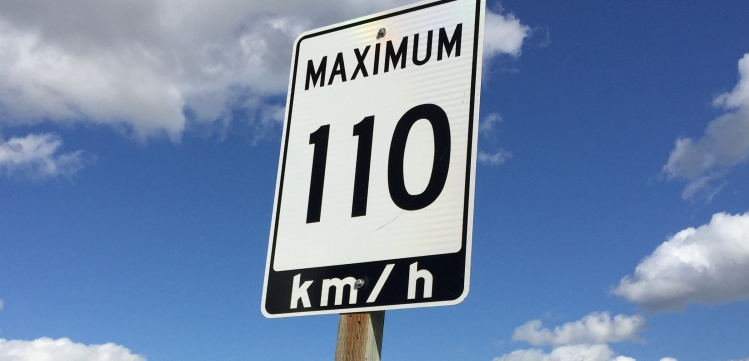
The Ministry of Transportation announced today that it will be raising the speed limit to 110 km/h on a trial basis on the following sections of provincial highways in Northern Ontario, effective April 22, 2022:
- Highway 400 from MacTier to Nobel (approximately 55 km)
- Highway 11 from Emsdale to South River (approximately 45 km).
The move comes in conjunction with permanent speed limit increases on some highways in Southern Ontario:
- Queen Elizabeth Way (QEW) from Hamilton to St. Catharines (32 km)
- Highway 402 from London to Sarnia (90 km)
- Highway 417 from Ottawa to the Ontario/Quebec Border (102 km)
- Highway 401 from Windsor to Tilbury (approximately 40 km)
- Highway 404 from Newmarket to Woodbine (approximately 16 km)
- Highway 417 from Kanata to Arnprior (approximately 37 km)
The Ministry said it was increasing speed limits to align posted speeds with other jurisdictions across Canada. Alberta, Manitoba, New Brunswick, Nova Scotia, Saskatchewan, and British Columbia already have posted speed limits of 110 km/h.
Don’t miss out on Doppler!
Sign up here to receive our email digest with links to our most recent stories.
Local news in your inbox so you don’t miss anything!
Click here to support local news
This will be the first time that anyone around Burk’s Falls will have experience with speed.
Wind resistance is the biggest consumer of fuel in a vehicle when you start to exceed about 50 km/h.
This drag increases by something like the square of the speed increase so going from 100 to 110 will have a definite and measurable effect on the amount of fuel burned.
I thought, (Hey Trudeau told me this so it must be true!) that we were trying to reduce our carbon emissions, which would translate into lowering our fuel consumption, which would translate into driving a bit slower, not faster. So where does this all go wrong?
Do I need to buy an electric car to understand this, or would a big diesel pickup be better?