

BY STEVE PAIKIN
(This commentary first appeared on TVO Today on June 17, 2026. It has been reprinted with the author’s permission)
The thing about turning 80, as former Ontario premier Ernie Eves is doing today, is that it gives one an opportunity to look back. In this case, that means a political career that started with a six-vote victory in 1981 and ended in the premier’s office two decades later, managing some unprecedented catastrophes.
The stuff that happened in between is what I wanted Ontario’s 23rd premier to think about during a wide-ranging, hour-long conversation we had last week.
Eves’s story is unique in Ontario political history. Born into a working-class family in Windsor, he became a lawyer in Parry Sound and then earned the nickname “Landslide Ernie” for his razor-thin victory in 1981. He spent ten years in opposition before becoming Premier Mike Harris’s right-hand man as finance minister during the 1995 Common Sense Revolution years, massively slashing both taxes and spending. He quit politics in 2001, assuming that was it.
But Harris’s retirement from politics in 2002 spurred a groundswell of support from Eves’s fellow Tories. They wanted him back in the ring. So, he left Bay Street, returned to public life, and succeeded Harris as premier in 2002.
Then the roof fell in.
A series of bizarre catastrophes befell Ontario, including the SARS epidemic which killed 44 people, mostly in the Greater Toronto Area; an electricity blackout that hit the entire northeastern seaboard, massively destabilizing the province’s electricity grid; and a mad cow disease outbreak that devastated Ontario’s agricultural sector, resulting in the province’s beef exports being rejected by 40 countries — including the United States.
When Eves called an election 18 months into his tenure, in October 2003, he was defeated by Dalton McGuinty’s Liberals and resigned from politics permanently the following year.
“How long does it take, after leaving office, before a former premier stops replaying all of the events and decisions he made, wishing he had some do-overs?” I asked Eves, who spoke to me over Zoom from his home in Caledon.
“Honestly, I haven’t thought that about many things,” he says. “I’ve always operated on fairly simple theory of just trying to do what I thought was the right thing, and then you just have to let the chips fall where they may. So, I can honestly say that I don’t think I regretted too many things.”
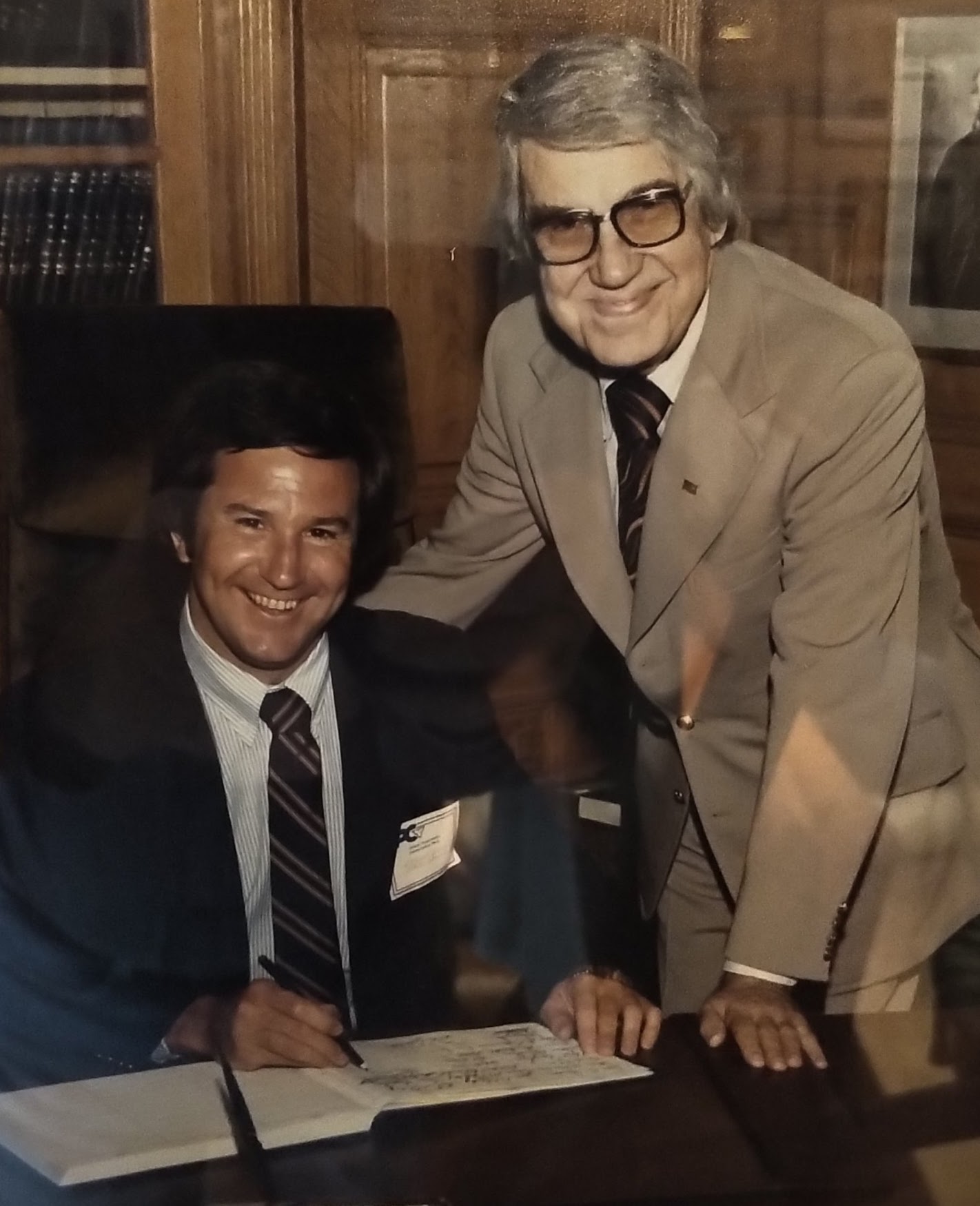
But Eves confesses to second-guessing one of his most important decisions: namely, when to call an election. He was sworn in as premier on April 15, 2002, and seemed to breathe new life into a Progressive Conservative government that was deeply unpopular after seven exhausting years of revolutionary change. “I’m not saying this in a detrimental way, in any way, shape, or form, to Mike Harris,” Eves insists. “I was part of that government and proud of it. But the public was tired of the Harris government, okay?”
Many urged Eves to call a snap election, but he didn’t, fearing he’d be seen as too opportunistic, and wary that some polls showed the Tories would lose. He waited until September 2003. Perhaps he could have waited longer. “Should have I waited out the five-year term before I called the election?” he asks rhetorically. “We could have gone another year.”
Eves soon realized his caucus was deeply divided between those who wanted the revolution to continue, and others who thought the public needed a break from all the drama and wanted a more pragmatic, centrist approach.
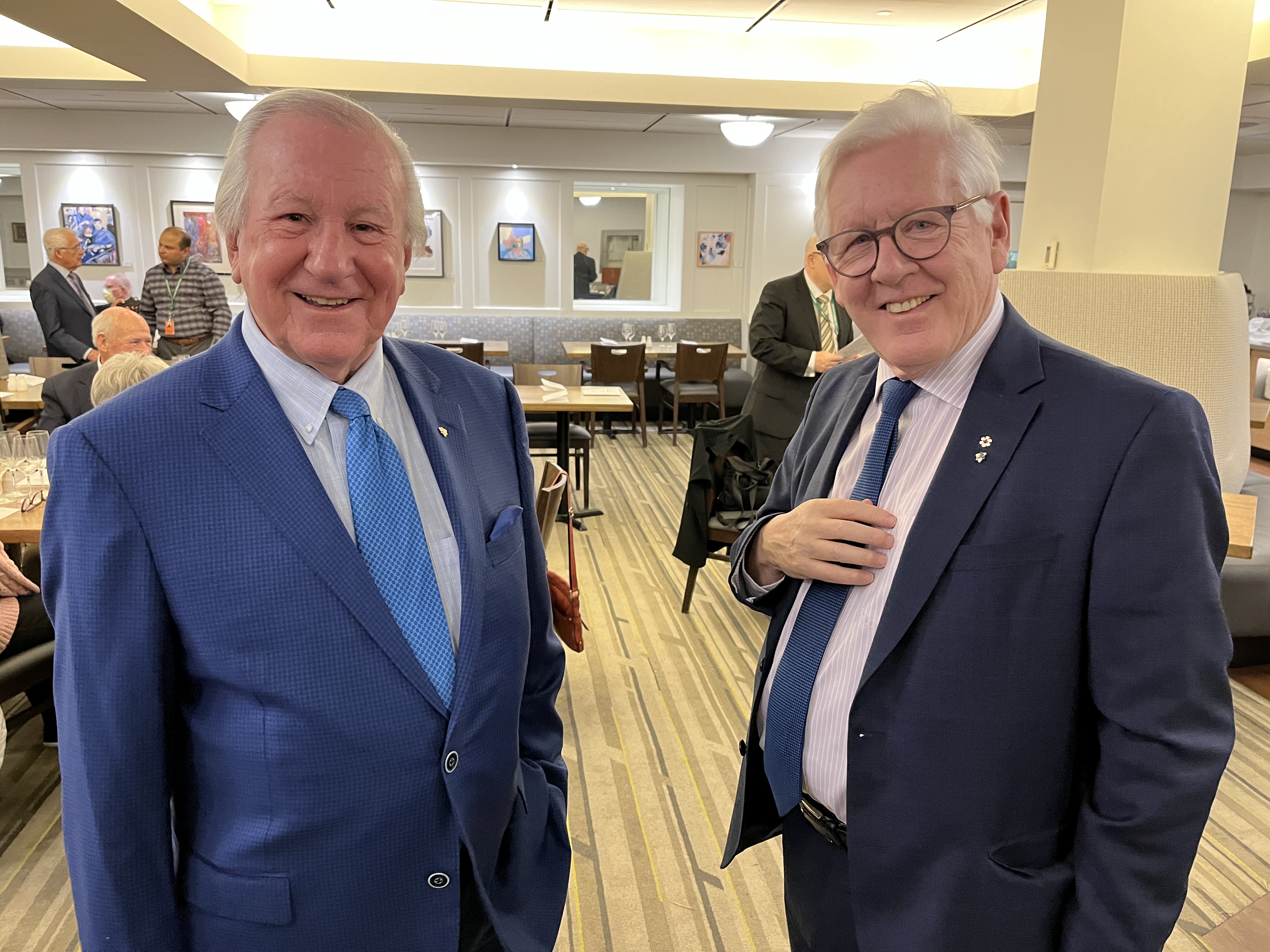
“It just wasn’t a very pleasant time,” says Eves, who admits he had dustups with some of his cabinet and adviser colleagues, some of whom stopped speaking to him.
Another regret? He’s not sure it was the best option to sell Highway 407. At the time, the potential revenues from the tolls hadn’t yet skyrocketed and the maintenance costs seemed prohibitive. He wonders if a shared leasing arrangement would have been better than an outright sale, as the highway now makes a fortune for its owners (a Spanish infrastructure company and the Canada Pension Plan).
But on some files, he feels he’s been vindicated by history. There was the May 2003 budget, presented at a Magna car parts plant in Brampton rather than in the Ontario Legislature. At the time, the decision was excoriated by critics as a breach of tradition and an attempt to prevent opposition members from doing their job. But today, prime ministers and premiers routinely travel around, announcing major aspects of their budgets outside of parliament. “What we did was minuscule compared to that!” he says, getting increasingly agitated. “And yet, the media all went bullshit. Where’s the media now? It’s ridiculous. It doesn’t make any friggin’ difference where it’s read.”
Compounding Eves’s troubles was the fact that the Speaker, PC MPP Gary Carr, ruled the government was “in contempt of the legislature” for presenting the budget at Magna. That gave the story added life, and the premier more headaches. “It never ever occurred to me that a backup Junior B goaltender would be the guy who determined that what I was doing was unconstitutional,” Eves says, referring to Carr’s days as a budding hockey star. “I’m prepared to put my legal qualifications up against his any day of the week.”
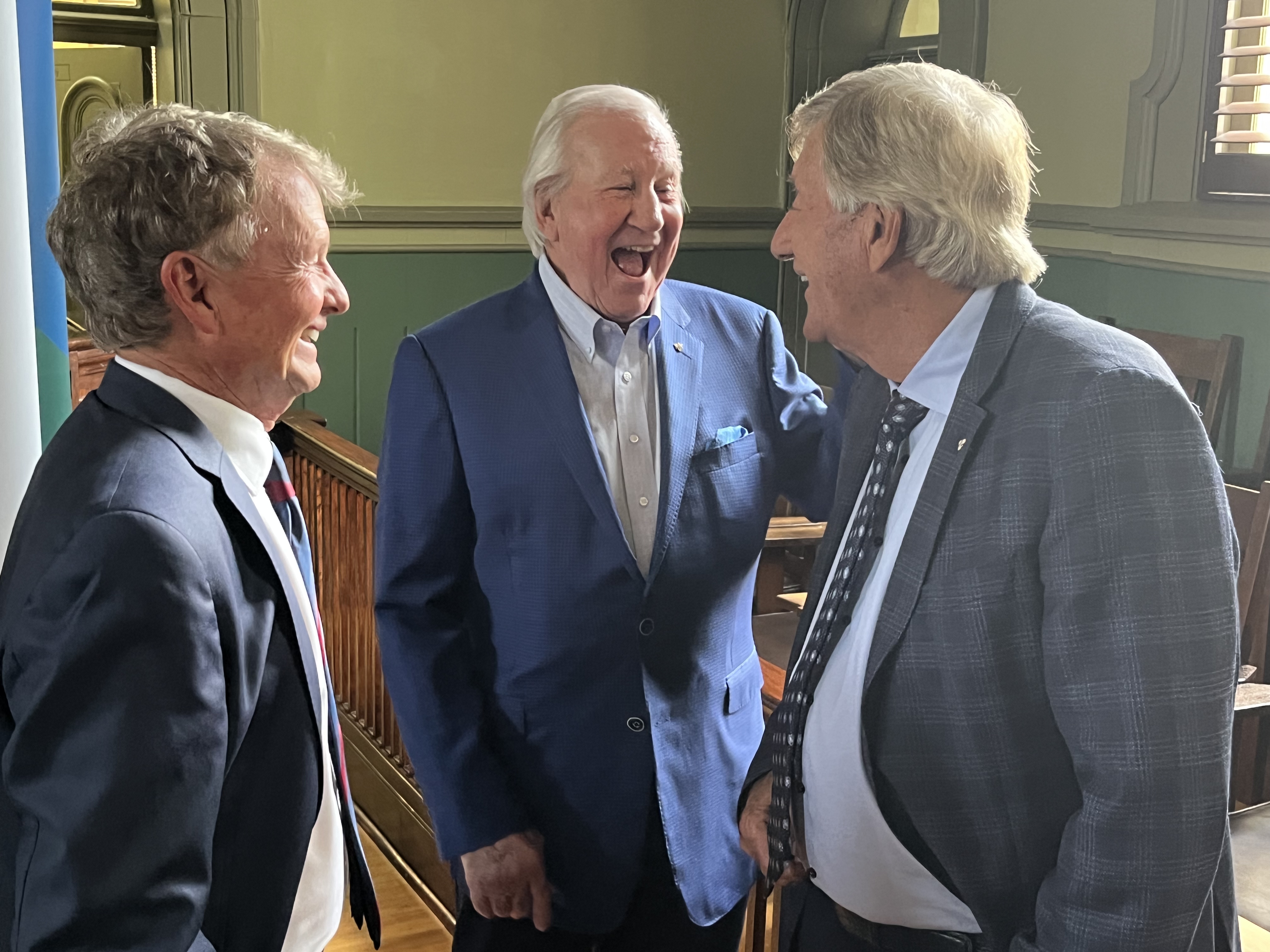
I found it amusing that, more than two decades later, Eves can still get so hot under the collar about this. “It really does test my patience sometimes,” he admits.
Having said that, he does have fond memories of accomplishments.
“I’m most proud of the improvements we made to special education in the province of Ontario,” he says, no doubt influenced by his own circumstances (his son Justin had learning disabilities). “And when I became minister of finance, I doubled and then ended up tripling special education funding. I also lowered taxes 222 times, and I don’t think anybody else can say that.”
These days, Eves serves on a handful of boards — a couple of mining companies, an investment capital company, a winery, and an airline. He takes an enormous amount of pleasure in having created the Justin Eves Foundation (named after his son, who was killed in a car accident while Eves was finance minister). The foundation’s assets have since been turned over to the University of Guelph and Guelph-Humber.
“We helped about 1,000 kids get a post-secondary education while it was running,” Eves says. “And the good news is, there will be 10 permanent scholarships in perpetuity in Justin’s name. You know, there’s a thing on his tombstone that says, ‘He looked for the best in others and gave the best of himself.’ And I think that’s really what it’s all about.”
Eves plans to celebrate his birthday this Saturday, with roughly 30 family and friends coming over to the home he shares with his life partner of 27 years, Isabel Bassett, the former chair and CEO of TVO. “We all don’t get enough opportunities to get together, so it’s great when we do,” he says.
Eves is also a doting grandfather to his daughter Natalie’s two kids. Grandson Michael, who will study architectural engineering at the University of Waterloo, is a “great skater with great hockey sense,” who is about to play in the Ontario Junior Hockey League. Granddaughter Henley, “who’s tired of hearing how great Michael is,” plays volleyball, basketball, hockey, runs track, and gets extraordinarily high marks to boot.
“They’re wonderful, wonderful kids,” Eves says.
Eves himself is now feeling the effects of a lifetime of playing sports. His knees are barking from high school football, hockey, and track. He got his right knee replaced in January; the left one will be done in October. That has prevented him from playing the game he loves best, golf, which was also to blame for two torn rotator cuffs.
As we finish up our Zoom, Eves can’t help but comment on what he dislikes about politics today. “I get frustrated as hell watching what’s going on in the world,” he admits. “Why can’t people just try to do the right thing and improve the lives of other people?” He remembers a better time when he first got elected, when government and opposition MPPs would socialize together.
“You’d sit down at least once a week over lunch and try to hammer out how we can improve this piece of legislation or that,” he recalls. “Now, it’s just so partisan. It’s not what the people want. Especially south of the border, where they’ve lost respect for democratic institutions.”
It feels as if the former MPP for Parry Sound-Muskoka would like to see another revolution of sorts — this one focused on increasing civility and mutual respect.

Steve Paikin has been producing fact-based, public-interest journalism for nearly four decades. He’s the host of TVO Today Live and the Paikin Podcast, and the co-host of the #onpoli podcast. He is also a columnist for TVO.org and the Toronto Star, and has published ten books. Steve was invested as an officer of the Order of Canada by Governor General David Johnston, and a member of the Order of Ontario by Lieutenant Governor David Onley, both in 2013. In 2025, Lieutenant Governor Edith Dumont presented him with a King Charles III Coronation Medal. In 2012, Victoria Tennant presented him with a Queen Elizabeth II Diamond Jubilee Medal. In 2025, the Public Policy Forum gave him the lifetime achievement award for excellence in journalism. Steve tends to fall in love with hard-luck sports teams. He loves the Toronto Maple Leafs despite no Stanley Cups since 1967. He adores his hometown Hamilton Tiger-Cats despite no Grey Cups since 1999. His patience with the Boston Red Sox finally paid off with four World Series in the 21st century.
Don’t miss out on Doppler!
Sign up here to receive our email digest with links to our most recent stories.
Local news in your inbox so you don’t miss anything!
Click here to support local news
I needed a warm shower after this, given the memories of living through these years.
What stayed with me wasn’t Ernie Eves’ reflections on taxes, elections, or Highway 407. It was something much simpler. After forty years in public life, he seems genuinely frustrated by how difficult it has become for people to disagree without turning each other into enemies.
Reading the article, I found myself thinking about the difference between campaigning and governing. Campaigns are designed to draw contrasts, rally supporters, and win votes. Governing is harder. It requires compromise, patience, and working with people who see the world differently. Those skills don’t generate many headlines, but they are how things actually get done.
Canada, Ontario, and Muskoka face real challenges. Housing, healthcare, productivity, infrastructure, and economic uncertainty won’t be solved by deciding who to blame. They will be solved by deciding what to do next. That requires institutions that function and people willing to spend at least as much energy solving problems as they do assigning blame.
For all our disagreements, that may be one lesson worth recovering. Not because the past was perfect. It wasn’t. But because a democracy works best when we remember that political opponents are still fellow citizens.