
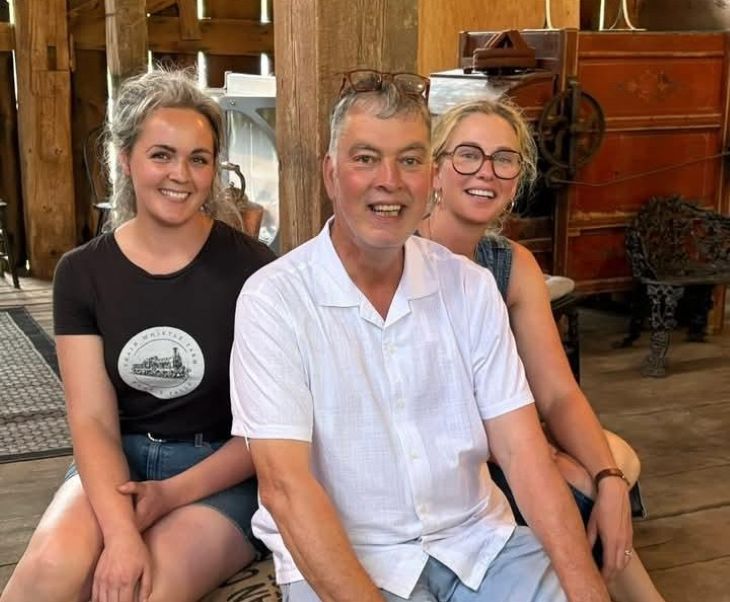
On June 29th, I had the privilege of speaking in Huntsville together with Dr. Kees Scheepens, a Dutch pig veterinarian specialized in pig behaviour, a beyond-organic pig farmer with an activist touch, and empathic farmer Jodi van Alstine from Train Whistle Farm in Burk’s Falls.
Jodie and her husband Jake pasture-raise small numbers of chickens, turkeys, cattle and pigs in a way that they live happy lives. We talked about something that connects every one of us: the food we choose to put on our plates.
As director of the animal-welfare organization Eyes on Animals, I have spent more than 25 years inspecting the long-distance transport of farm animals across the globe. I also work with slaughterhouses to redesign handling and stunning systems to reduce fear, stress and pain. Every day, I see both the best and the worst of how farmed animals are treated.
That experience has taught me something important: while none of us can create a perfect food system overnight, every one of us has the power to make it kinder.
And Muskoka is uniquely positioned to do exactly that.
Unlike many communities, Muskoka is blessed with numerous farmers’ markets, including year-round markets, and passionate local farmers who truly know their animals as individuals rather than production units. They are raising animals in ways that respect their natural behaviour.
Their hens spend their days outdoors, scratching in the soil, pecking for insects and taking dust baths instead of living in cages or crowded industrial barns.
Their pigs roam fields, root in the earth, wallow in mud, rest under trees and experience the curiosity and playfulness that pigs are famous for.
Their cattle graze on pasture as grazing animals were meant to do, rather than spending their lives confined indoors.
When we buy from these farmers, we are supporting far more than local businesses. We are investing in a food system built on empathy, stewardship and respect for animals, the environment and rural communities.
The alternative is industrial factory farming.
Around the world, billions of animals spend their entire lives inside large, anonymous facilities where efficiency and profit come long before welfare. Pigs live on concrete slatted floors above their own excrement, breathing air heavy with ammonia. Their tails are routinely docked, and their teeth clipped because the stressful and barren environment encourages abnormal behaviours. Many dairy cows rarely, if ever, graze outdoors despite being grazing animals by nature. Chickens are bred to grow so rapidly that their legs struggle to support them.
Most consumers never see these systems. Food arrives neatly packaged, disconnected from the lives behind it.
That is why local small-sized farmers matter.
When you meet the people who raise your food, ask questions, visit their farms and see their animals, food becomes personal again. Transparency creates trust, and trust encourages better farming.
As a child, I became vegan because I was shocked by what we did to animals on factory farms and in industrial slaughterhouses. I did not want to be a part of that suffering. As an adult, after decades working directly with farmers, transporters and slaughterhouses, I have come to believe that meaningful progress comes from helping people reduce suffering wherever they can.
I know that not everyone will become vegan and that there is a huge difference between empathic small-scale farming and agribusiness. I also have learned that everyone can make choices that significantly reduce the amount of suffering behind the food they buy.
Buying fewer animal products is just one. More important is choosing ones that come from local farmers who genuinely care for their animals. It is one of the most powerful choices we can make.
Every purchase is a vote for the kind of lives we want farmed animals to enjoy. In Muskoka, you don’t need to buy factory-farmed meat and dairy at the large supermarkets. You can find empathic local farmers selling their products at the markets here.
When we support compassionate farmers, we help ensure they can continue farming in ways that give animals lives worth living or, even better, happy lives! We also encourage other farmers to see that consumers value good animal welfare and are willing to support it. We also show agribusinesses that bigger and cheaper is not better!
The event I attended on North Portage Road reminded me that people genuinely care. They asked thoughtful questions. They want to do better. Often, they simply don’t know where to start.
Visit a farmers’ market. Meet the people behind your food. Ask how their animals are raised. Support the farmers whose values match your own.
By shopping locally, we are shopping with compassion.
And together, one meal at a time, we can help build a food system that is not only healthier for our communities but more empathic and actually crucial.
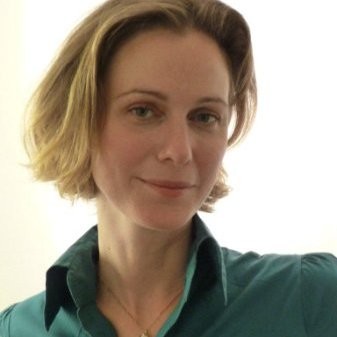
Lesley Moffat is the founder and director of Eyes on Animals, a non-profit animal-welfare organization headquartered in the Netherlands. Its mission is to reduce the suffering of animals on farms, during transport, at markets and at slaughterhouses.
Moffat is Canadian, lives in the Netherlands and visits her parents in the summer at their small cottage on Pen Lake, where she has spent time since she was a young girl.
Don’t miss out on Doppler!
Sign up here to receive our email digest with links to our most recent stories.
Local news in your inbox so you don’t miss anything!
Click here to support local news
Hugh Holland is a retired engineering and manufacturing executive now living in Huntsville, Ontario.
Don’t miss out on Doppler!
Sign up here to receive our email digest with links to our most recent stories.
Local news in your inbox so you don’t miss anything!
Click here to support local news
Don’t miss out on Doppler!
Sign up here to receive our email digest with links to our most recent stories.
Local news in your inbox so you don’t miss anything!
Click here to support local news
This is such a thoughtful and balanced approach to farmed animal welfare. If there’s one thing I’ve learned, it’s that guilt and finger-pointing rarely change people’s behaviour. They usually just make us defensive.
Most of us understand that eating fewer animal products would likely be better for our health, the environment, and animal welfare. Yet we continue to do so because we enjoy them, because they’re familiar, and because changing lifelong habits is difficult.
I was a vegetarian for many years, back when vegetarian cuisine was uninspiring and declining meat made one feel like a pariah. Eventually I returned to eating meat instead of continuing toward veganism. Even so, that experience changed me. Today, I prepare vegan meals three or four times a week, not out of guilt but because recipes are now so varied and delicious.
What I appreciated most about this article is that it invites reflection rather than demanding perfection. It asks us to be more mindful about where our food comes from and to recognize that compassion isn’t an all-or-nothing proposition. We may not all become vegans, but all of us can make choices that lessen suffering. It may make us a bit uncomfortable but I think it’s a conversation that’s worth exploring.