
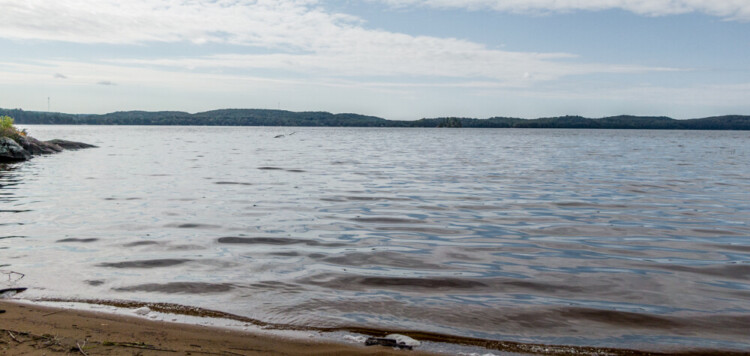
Summer is here and there is nothing like spending a day at one of Simcoe Muskoka’s many beaches with friends and family. But before heading to the beach, be sure to check the Simcoe Muskoka District Health Unit’s (SMDHU) beach advisory webpage for a list of public beaches with a swimming advisory.
Throughout the summer, more than 50 designated public beaches are tested regularly in Simcoe Muskoka for E. coli bacteria. When bacteria levels exceed Ontario guidelines, there may be a higher-than-normal risk of illness or infection. When this happens a swimming advisory letting people know of the potential risk is posted at the beach until testing shows bacteria is once again within acceptable limits. In rare cases, when a significant risk to health and safety has been identified, a beach will be closed.
“Even if there is no advisory posted, beachgoers are reminded that water quality can change from day to day and even hour to hour depending on the weather and lake conditions,” says Karen Kivilahti, manager of the health unit’s Safe Water Program. “The latest available information posted on the health unit’s website may not reflect the real-time conditions at the beach, so it is important to know what environmental factors to be aware of and how to minimize your risk.”
Beach water quality can be affected by rainfall that washes everything off the surrounding surfaces, such as bird and dog feces, garbage, and chemicals into the water. It is best to avoid swimming for 24-48 hours after a heavy rainfall. People who choose to swim after it rains should avoid dunking their head and never swallow the water. Cloudy water created by heavy winds that stir up sand and silt is also linked to high levels of bacteria. If you can’t see your feet when you are waist deep in water, bacteria levels may be higher.
Warm, shallow, slow moving bodies of water and wet sand are other excellent breeding grounds for E. coli and other organisms, so it is essential that people wash their hands or use hand sanitizer frequently while visiting and picnicking at the beach.
Beaches may also be unsafe due to excessive weed growth, oil, floating debris, turbidity and blue-green algae blooms. In addition to water sampling, the health unit conducts environmental safety assessments as part of its summer beach program.
Don’t miss out on Doppler!
Sign up here to receive our email digest with links to our most recent stories.
Local news in your inbox so you don’t miss anything!
Click here to support local news
0 Comments