
From the Simcoe Muskoka District Health Unit
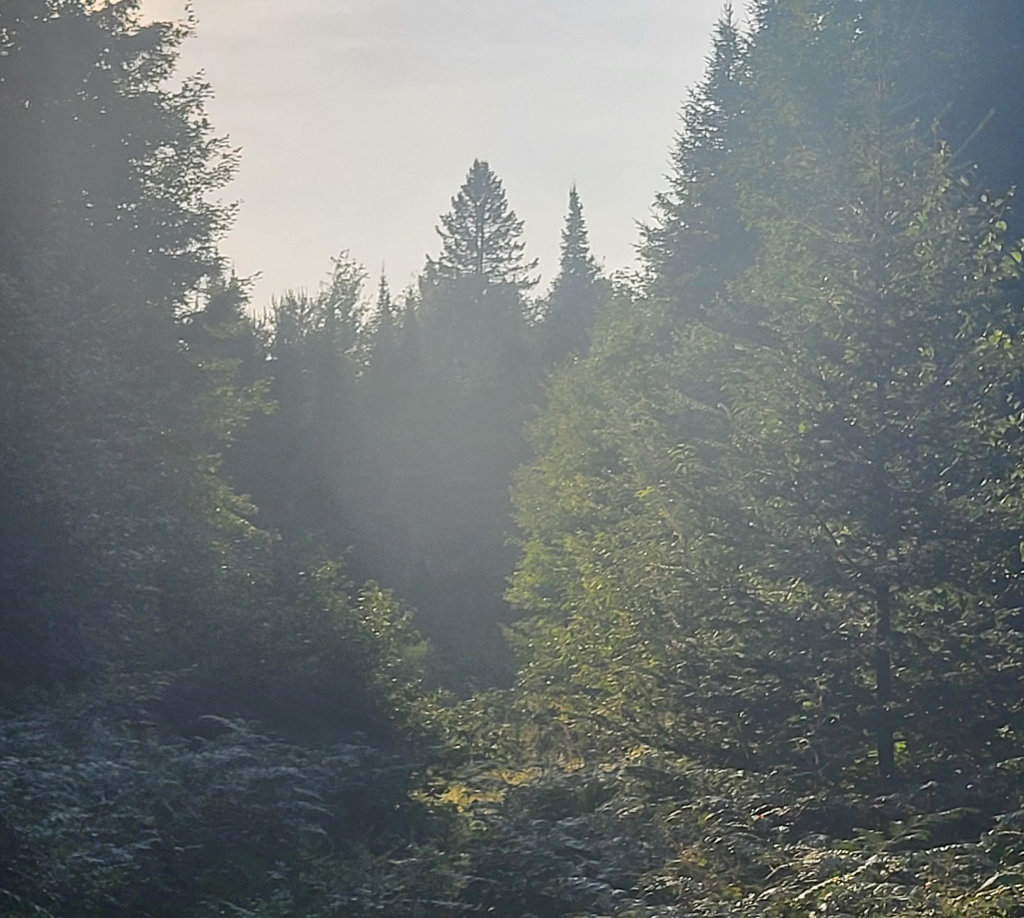
When wildfire smoke drifts into our region and causes poor air quality across Muskoka, there are steps you can take to mitigate its impact. Environment and Climate Change Canada issues a Special Air Quality Statement for Simcoe and Muskoka.
Breathing in wildfire smoke can cause immediate symptoms and may also increase long-term health risks.
Some people are more at risk, including babies and young children, older adults, pregnant women, people living with chronic health conditions or existing illness, people who smoke, and people who work or exercise outdoors.
You can take steps to protect your health and reduce exposure to poor air quality. Stay aware, reduce exposure to air pollution, and take care.
Stay aware. Check the Air Quality Health Index (AQHI), air quality alerts to help you make informed decisions. Remember, air quality conditions can change quickly, so check the AQHI frequently. Monitor yourself and those around you for symptoms and health effects of air pollution. Know when to seek medical attention.
Reduce exposure to air pollution. Take it easy. Consider reducing or rescheduling outdoor activities during poor air quality events. Protect your indoor air quality and create cleaner indoor air spaces in your home (e.g., keeping windows and doors closed during times of high air pollution, if indoor temperatures are comfortable (26°C or below), use a portable or DIY air cleaner). Visit places with cleaner, cooler indoor air like libraries, and shopping malls. Contact your local municipality or visit their website for hours and the locations of cleaner indoor air spaces near you.
Take care and listen to your body. Drink lots of water, as this helps your body cope with air pollution. Stop or reduce activity levels if you are experiencing symptoms, such as difficulty breathing or feeling unwell.
Poor air quality events can overlap with hot temperatures and humid air. Extreme heat is usually more dangerous than short-term exposure to poor air quality, even wildfire smoke. If you have to choose, prioritize staying cool.
For more information about outdoor air quality, visit the Simcoe Muskoka District Health Unit website at www.smdhu.org/wildfiresmoke
Don’t miss out on Doppler!
Sign up here to receive our email digest with links to our most recent stories.
Local news in your inbox so you don’t miss anything!
Click here to support local news
And if all else fails, just move to the US of A where there is no climate change happening. Hey! I never said this, Trump told us all that this was the case when he fired most of the climate researchers to save money to spend somewhere else. Those border walls aren’t cheap you know.
Little note to Trump and Co. is that border walls don’t stop air flow and the pollution that air carries.
You can’t just sign an executive order with a sharpie to solve this one.