
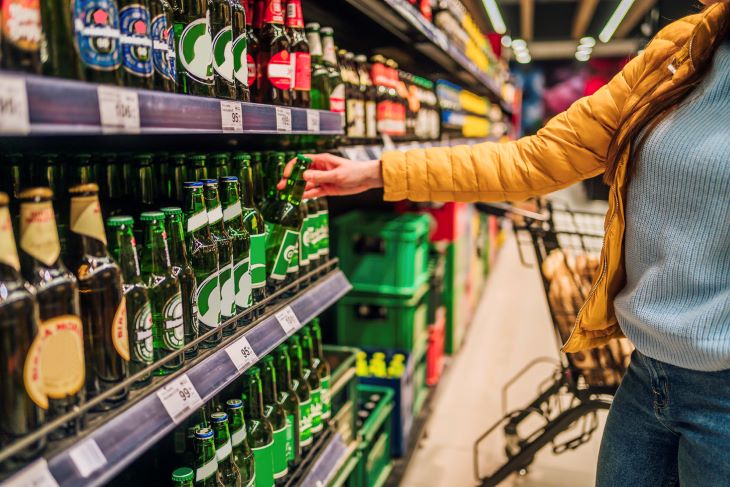
Phased rollout will allow beer, cider, wine and ready-to-drink alcoholic beverages to be sold in convenience, grocery and big-box stores
The Ontario government announced today that starting in August, consumers will be able to purchase new products like coolers and other ready-to-drink beverages alongside more pack sizes at grocery stores that currently sell wine or beer, followed by new retailers being able to sell an increased selection of local, domestic and international alcohol products.
By the end of October 2024, every convenience, grocery and big-box store in Ontario will be able to sell beer, cider, wine and ready-to-drink alcoholic beverages if they choose to do so.
“We are delivering on our commitment to give consumers in Ontario the choice and convenience every other Canadian enjoys and we’re doing so even sooner than we had originally promised,” said Premier Doug Ford in the release. “In the coming weeks and months, people in Ontario, like many Canadians across the country, will have the option to responsibly and conveniently purchase a case of beer or a bottle of wine on their way up to the cottage or to a summer barbecue, all while having even more opportunity to support local Ontario breweries and wineries.”
The phased expansion and rollout will begin later this summer and will include the following milestones:
- On August 1, 2024, up to 450 grocery stores that are currently licensed to sell beer, cider, or wine will also be able to sell ready-to-drink beverages. These grocery stores will also be able to start offering consumers large-pack sizes like the 30-pack that is popular in Quebec.
- After September 5, 2024, all eligible convenience stores will be able to sell beer, cider, wine, and ready-to-drink alcoholic beverages.
- After October 31, 2024, all eligible grocery and big-box stores will be able to sell beer, cider, wine, and ready-to-drink beverages, including in large pack sizes.
Through this phased rollout, the government says it is creating the conditions for a more open and convenient alcohol beverage marketplace. Individual retailers and businesses will make their own decisions about how they participate and when.
“Our responsible and balanced approach treats Ontario consumers like adults by giving them more choice and convenience, while also supporting Ontario retailers, domestic producers and workers in the alcohol industry,” said Minister of Finance Peter Bethlenfalvy. “As we launch this new marketplace, we will continue to meet, consult and work closely with industry partners, local beverage alcohol producers and other stakeholders.”
As part of its agreement with The Beer Store, the Ontario government is providing The Beer Store with up to $225 million to make the necessary investments over the next 19 months to support a stable transition to a more open and convenient marketplace, including funding to protect jobs across the province and to keep The Beer Store locations open for the continued availability of recycling and bottle return.
The government says it has posted the regulations related to eligibility and license structure, along with the terms of who can sell alcohol, the rules for selling alcohol, including the social responsibility standards and the licensing framework, which will be on a first come, first served basis. The Alcohol and Gaming Commission of Ontario (AGCO) oversees the enforcement of the Liquor Licence and Control Act, 2019, and determines consequence for retailers who breach these rules, up to and including the loss of their licence to sell alcohol. If a retailer’s licence is revoked or an application is denied, they cannot reapply for two years. “The AGCO will be taking strong measures with respect to social responsibility infractions as part of its continued role in the new marketplace,” said the release.
As announced in December 2023, the government is providing an additional $10 million over five years to support social responsibility and public health efforts to ensure alcohol continues to be sold and consumed safely in the expanded marketplace. Existing requirements related to staff training, minimum pricing, hours of sale and warning signs will be maintained and applied to all new retail outlets. As was also previously announced in December, the government says it is supporting Ontario alcohol beverage producers with a range of transitional and time-limited supports as they adapt to this new marketplace.
Over time, this new, more open marketplace will introduce up to 8,500 new stores where consumers can purchase these products, the largest expansion of consumer choice and convenience since the end of prohibition almost 100 years ago, notes the government.
The Beer Store and LCBO will continue to play a significant role in the future marketplace, with The Beer Store continuing to be active in distribution, recycling and as a retailer. The Beer Store will continue to run the effective and efficient province-wide recycling program for alcoholic beverage containers until at least 2031, which helps keep costs down for producers and consumers while helping to protect the environment by diverting significant amounts of waste from landfills. The LCBO will remain a public asset and will continue to operate as a wholesaler and a retailer. A full complement of beverages like vodka, gin and whisky will continue to be sold exclusively through the LCBO network. According to the Province, as part of this expansion, consumers will also benefit from competitive retail pricing across all new points of sale and The Beer Store.
Don’t miss out on Doppler!
Sign up here to receive our email digest with links to our most recent stories.
Local news in your inbox so you don’t miss anything!
Click here to support local news
I am absolutely disgusted with the Ford government that is spending $225 million to pay off the Beer Store so beer can be sold in corner stores. Our health care is in shambles and this is more important?
I don’t agree with this. Use the beer store and liquor store. What are we too lazy yo go to one more store? It seems to make alcohol too accessible. And it was said we are adults. A great many “adults” drink and drive. I see more problems happening with this proposal.