
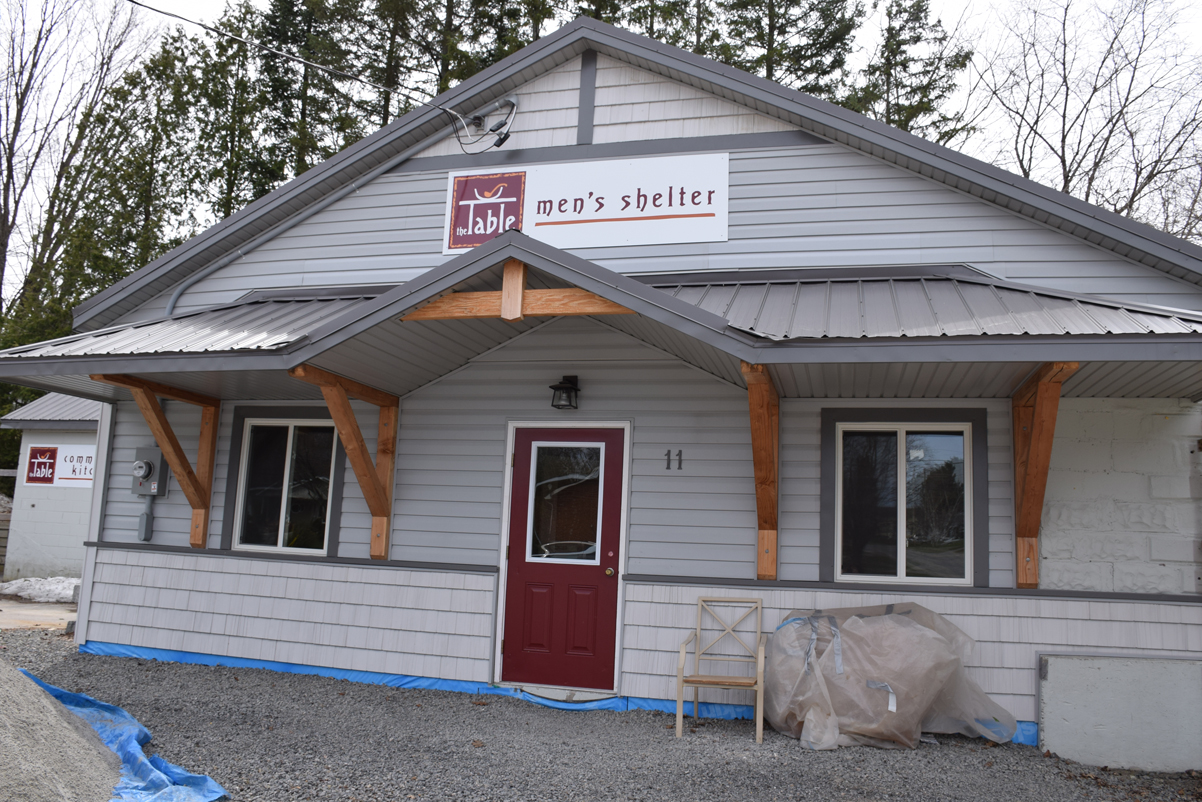
Talks have been quietly taking place to try and reach a consensus about the impact a 16-bed men’s shelter would have on the community.
The meetings are particularly important, says Huntsville Mayor Scott Aitchison, because housing 16 homeless men could require a lot of support.
You can imagine a scenario where let’s say you have fifteen 20-year-olds with an addiction and then some with mental health issues and that kind of thing and all of a sudden a crisis ensues, a fight breaks out… there is a greater risk of problems with a critical mass of people under one roofHuntsville Mayor Scott Aitchison
In the meantime, the Table Soup Kitchen Foundation, a faith-based, not-for-profit organization, has already built the 16-bed emergency shelter for men and is fundraising to get it up and running. The Foundation also runs a food bank, soup kitchens, household item exchange store and says there’s a need to house homeless men on an emergency basis in the community and is determined to do just that. But the District of Muskoka’s Community Services Department isn’t buying into the project.
“Nobody is agreeing to anything right now, that’s part of the problem.” said Aitchison. “That’s why I’ve inserted myself into the process to see if we can’t at least find some common ground.” He said paramount among the concerns expressed is the number of beds proposed.
“There’s been some concern expressed by Rick Williams (District Commissioner of Community Services) that 16 beds might not just be more beds than Muskoka needs or Huntsville needs, but it might wind up drawing people in from other areas.” Aitchison said he understands the Commissioner’s concerns, whose mandate is to support and assist Muskoka residents with the funding available, but also understands where the Foundation’s founder, Heather Berg, is coming from.
“Heather comes at this from the perspective that a human being is a human being whether they live in this geography or not, and I respect both positions. I understand that they both have mandates and they both care very much and they want to help.”
Aitchison said that while he supports the shelter and wants to see it up and running, he’s hearing a lot of push back on the number of beds being proposed. “I’m being told by the professionals who work in this industry all the time that they think 16 might be a bit too many, so why can’t we start with maybe four or five beds?”
The District also provides emergency shelter, said Aitchison. What’s missing is an emphasis on support services. “People that seek shelter in an emergency shelter-type situation, they get served by the District – whether it’s a hotel room or it’s a room in a shelter somewhere else – I mean it’s working, not perfectly but it’s working now and the big gap right now in our system is those services,” he said. “I would like to see some regional funding and a formula that works best, that has all the agencies and various different players in this field working together and making sure that we’re not just ultimately finding someone a bed for a couple of nights, but we’re finding them the supports they need.”
In the meantime. shelter proponents are determined to push forward to meet what they see as a need in the community. Funding will determine the number of beds available. Discussions continue.
-

- Audlee Tredgett and Lynne Doyle pause for a photo at the Table fundraiser held June 18 to raise funds for the operation of the men’s shelter.

-
- Dance Project students, along with many others, joined the fundraiser for the men’s shelter.

-
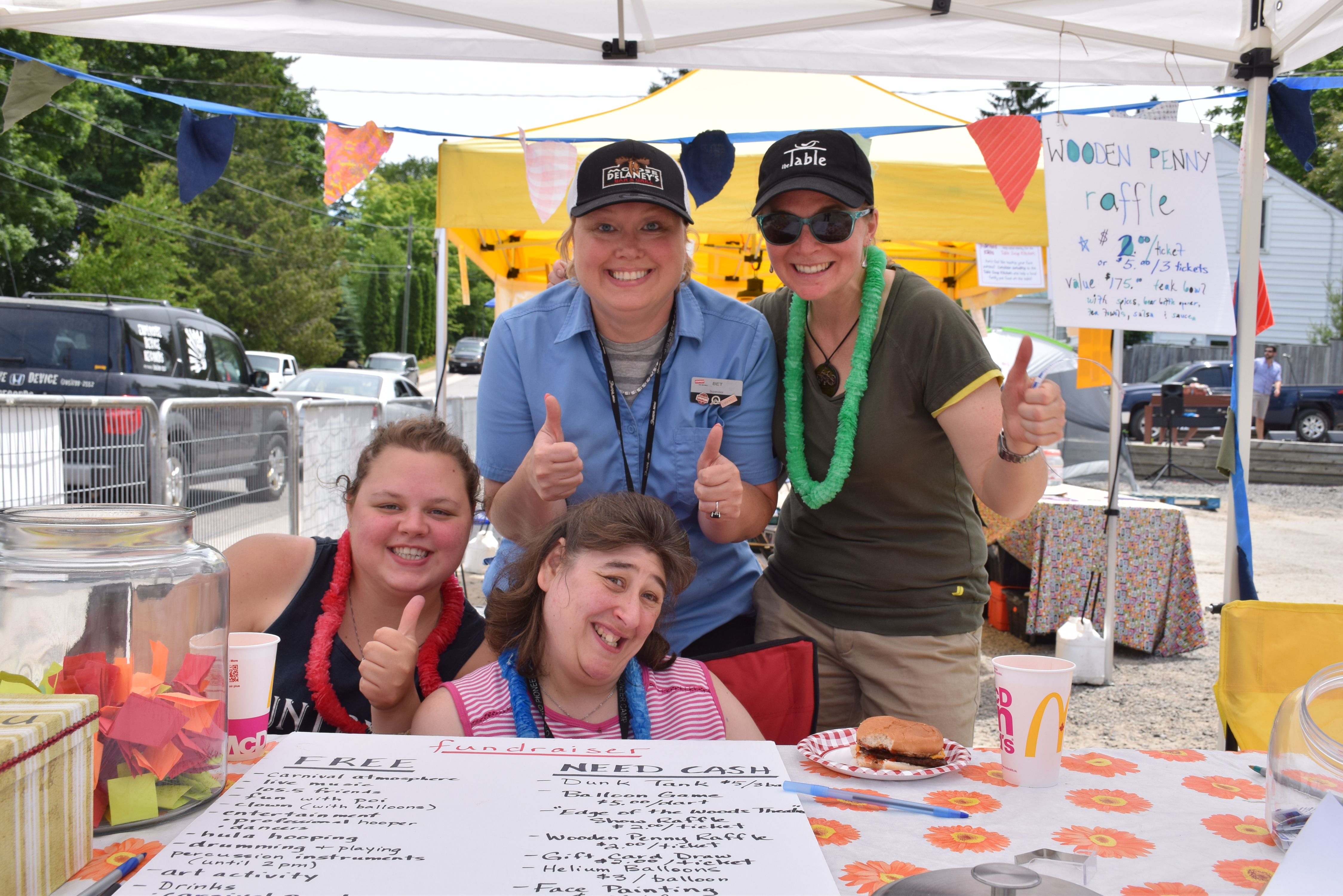
- From left, Table volunteers Bree Jones, Krissy Lyngseth and Bet Jones (back) and Table founder Heather Berg.
-
- Councillor Bob Stone donned his finest for the dunk tank at the Table’s fundraiser

Don’t miss out on Doppler! Sign up for our free, twice-weekly newsletter here.
“Homeless” is the operative word here. Men with addictions, mental health, or concurrent disabilities are housed in North Bay or Penetanguishene. Surely the intent here is not to employ people with mental health/addiction educational or experiential backgrounds. Such individuals command large salaries, and volunteers with the education but no experience will be a liability, and will likely leave for a paying job in short order.
These men have been abused; they are unemployed or underemployed; and they are deserving of our assistance and respect every bit as much as the women and children in Chrysalis House.
When we were building a shelter for women I don’t remember so much controversy … Is it because it is men ? I worked in Addictions and there was just as many female addicts as males . And men get abused too by their partners .. I think the table soup kitchen is trying to do a good thing ..