
Concussions aren’t new, but they are increasingly in the spotlight as their effect on the brain – particularly after repeated instances – becomes better understood. Those who follow the NHL will be familiar with Pittsburgh Penguins captain Sidney Crosby’s history of concussions, but these head injuries aren’t relegated to professional athletes or even to sports.
While concussions are often caused by direct impact to the head – a check into the boards for a hockey player, a ball to the head in gym class for a student or teacher, or even a fall in every day life – they can also be caused by an indirect force that causes a whiplash-type movement, too. Car accidents are a common cause of concussion.
Each case of concussion is different – in its onset, its symptoms and its recovery.
Someone doesn’t have to lose consciousness to sustain a concussion nor does loss of consciousness indicate its severity.
And concussion symptoms aren’t always evident or obvious. It’s important to not ignore any unusual symptoms like headaches, dizziness, neck pain, loss of balance, irritability, ringing in the ears, or even just generally feeling ‘off’.
Finally, recovery time varies. Most symptoms resolve within two weeks but for some people, children in particular, recovery from concussion takes longer – as much as three months or more.
With the start of school and with fall and winter sports beginning to ramp up, the staff at ProActive Rehab wants to help people learn how to prevent concussions, how to recognize the signs when a concussion does happen, and what can be done to treat the injury.
“Concussion is becoming a big part of our practice,” says Leslie Tempest, owner of ProActive Rehab. “We want to share what we know and what we are doing. Having some knowledge and awareness of what a concussion really is – because there’s lots of conflicting information out there – is good for parents, coaches, trainers, teachers, administrators, and athletes of all ages. What do you look for and how do you manage them, because they are pretty common.”
It’s not the kind of injury that can be easily seen, and there can be a push for athletes to continue playing, which is “a really poor decision and people need to understand the consequences,” says Tempest. “You only have one brain, it’s got to last your life and you’ve got to keep it as well as you can. Playing with a concussion for a game or a season isn’t worth a lifetime of problems. The biggest risk is getting a second concussion before you’ve recovered from the first.”
A wallop to the head has potentially serious consequences. Concussions are treatable, concussions are manageable, but they are still head injuries and we need to realize that and respect that for what it is.
Leslie Tempest, owner, ProActive Rehab
Prevention starts with equipment, says Tempest, but it doesn’t end there. Having a helmet and mouthguard that fit, are worn the way they are intended (chin straps buckled and mouth guard secured to teeth), and are not missing pieces or of poor quality is an important first step for concussion prevention.
Core stability, neck stability and body awareness can help to prevent fatigue, increase muscle tone and improve reaction to external forces (like a body check), thereby helping to prevent concussion.
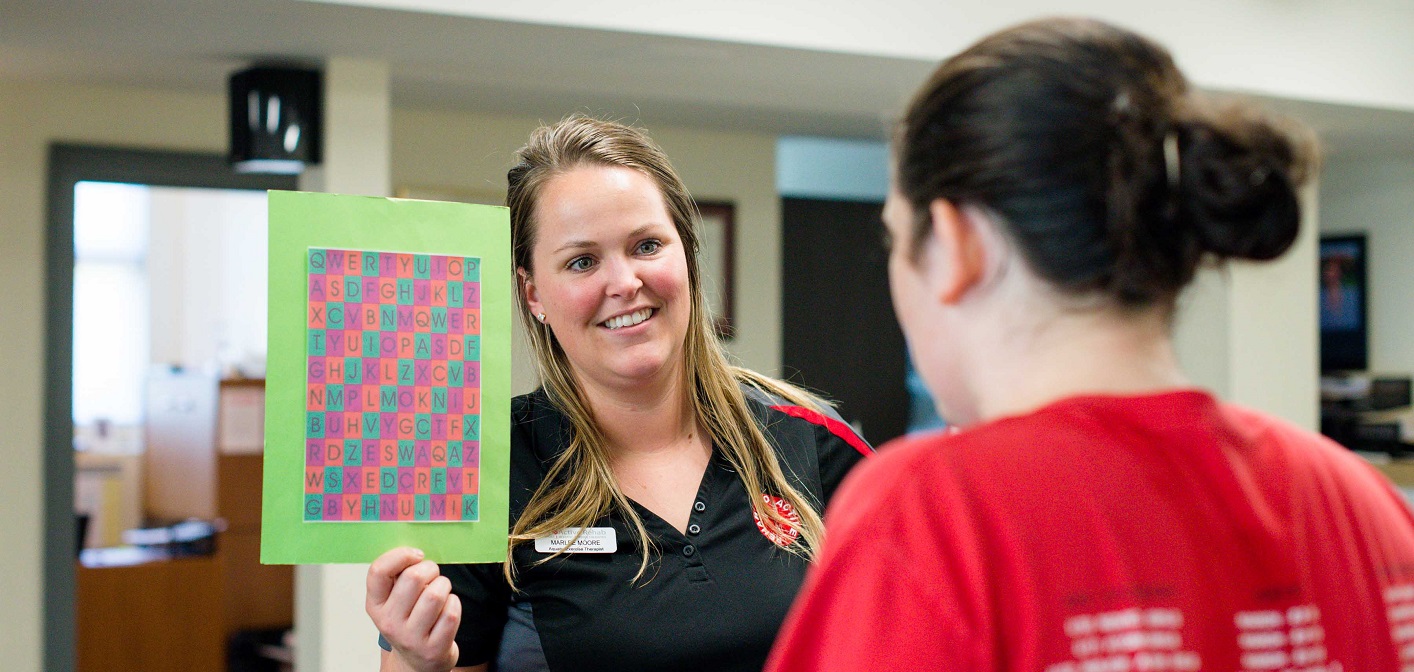
When a client has been diagnosed with concussion, ProActive Rehab often uses a six-step progressive exertion program in recovery, which includes “appropriate and effective rest strategies, symptom specific rehab exercises, aerobic testing and sport specific conditioning with a graduated return to exercise and play.”
On Monday, September 18 at 7:00 p.m., ProActive Rehab will present a free information session: Keep Your Kids Safe This Season, which will include discussion on equipment, baseline testing, and the immediate steps parents should take if they think their child has suffered a concussion.
For more information visit proactiverehab.com or email [email protected] to register.
Don’t miss out on Doppler! Sign up for our free newsletter here.
I am so glad concussion information is available to families of young children. Being the wife of someone suffering from CTE I can tell you life is very difficult for caregivers if the person lives to an older age. My husband will be 75 in November and is a patient of Dr Charles Tator at Toronto Western Hospital. He has donated his brain for the research of CTE which is caused from multiple concussions. Dr Tator is 99% sure my husband has it without autopsy.
My husband started playing hockey and lacrosse in Huntsville at age 5 and helped bring many championships to the town. He has been inducted twice into the sports hall of fame in Huntsville
He had multiple concussions and a brain injury from hockey and lacrosse and in his days of playing if they were knocked out they were given some smelling salts and put back out on the ice.
I am so appreciative of the protocol Dr Tator has put in schools and sports facilities to help save children at an early age from suffering later in life. CTE is very difficult to manage with Alzheimer’s and MS symptoms and Jekyll and Hyde personality.
Thank ProActive Rehab for doing these info sessions