
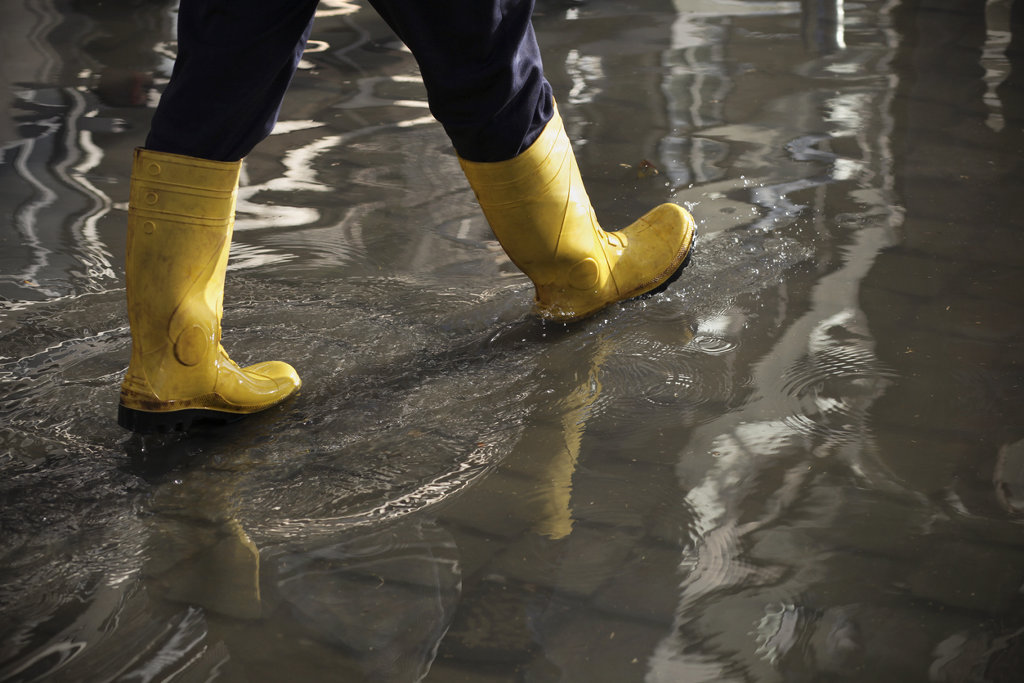
Emergencies such as power outages and floods can affect food, water, and living conditions. The Simcoe Muskoka District Health Unit is urging residents to take precautions as rainstorms and snowmelt are causing localized flooding across the region.
Proper food and water safety are essential during and after floods to prevent illness.
Drinking water safety for private wells
- Private wells are at higher risk of contamination during floods, and any well can become unsafe. A prolonged power outage can cause your well pump and any treatment devices to stop working.
- If flood water reaches or covers your well head, assume the water is not safe to drink.
- Follow all drinking water advisories and only use safe water sources until your well has been properly tested and confirmed safe.
- If you experience a power outage, once the power is restored, flush the lines by letting the water run for five minutes and check treatment devices (i.e., UV lights) to ensure everything is running properly.
- Test your water. Private well owners can test their water free of charge. Sample bottles can be picked up and dropped off at many of our health unit offices.
- Until the safety of your drinking water is confirmed through testing, use commercially bottled water.
- If bottled water is unavailable, boil water for at least one minute before using it for drinking, cooking, or cleaning.
Use only safe drinking water for:
- Making ice, juice, coffee, tea, and infant formula (ready-to-serve infant formula is safest if water safety is a concern).
- Cooking and washing fruits and vegetables.
- Brushing teeth and washing hands.
- Dishwashing (for extra safety, add a capful of bleach to a sink full of clear water for rinsing dishes).
Municipal drinking water is safe, treated and continuously monitored, even during power outages or flooding, and you will be notified right away if there is ever a concern with water quality.
Food safety
Flood water can carry silt, sewage, oil and chemicals, which can make food and water unsafe. Any food that touches contaminated flood water should be thrown out. Even packages that look dry may be unsafe if water has soaked in. Loss of power can also cause refrigerated and frozen foods to spoil. All food should be checked carefully before using it.
- Perishable foods such as meat, poultry, dairy, fish, and eggs must be thrown out if stored above 4°C (40°F) for more than two hours, as bacteria can grow quickly.
- A full chest freezer will keep food frozen for up to 48 hours without power; a half-full freezer will keep food frozen for approximately 24 hours.
- If food has thawed, it should be thrown out.
- Remember: If in doubt, throw it out.
For more information on emergency preparedness, visit smdhu.org or call 705-721-7520 or 1-877-721-7520, Monday to Friday from 8:30 a.m. to 4:30 p.m.
From public health
Don’t miss out on Doppler!
Sign up here to receive our email digest with links to our most recent stories.
Local news in your inbox so you don’t miss anything!
Click here to support local news
0 Comments