
From Environment Canada
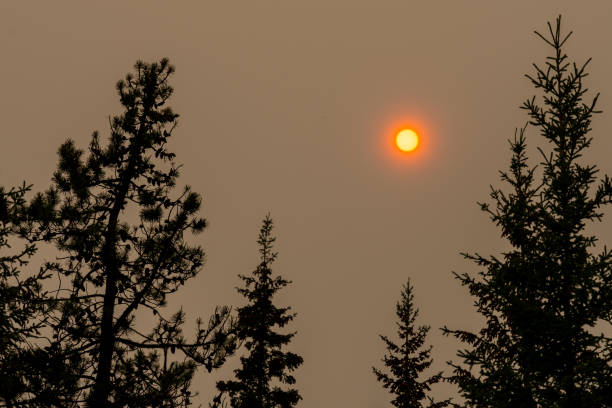
Smoke is causing or is expected to cause poor air quality and reduced visibility.
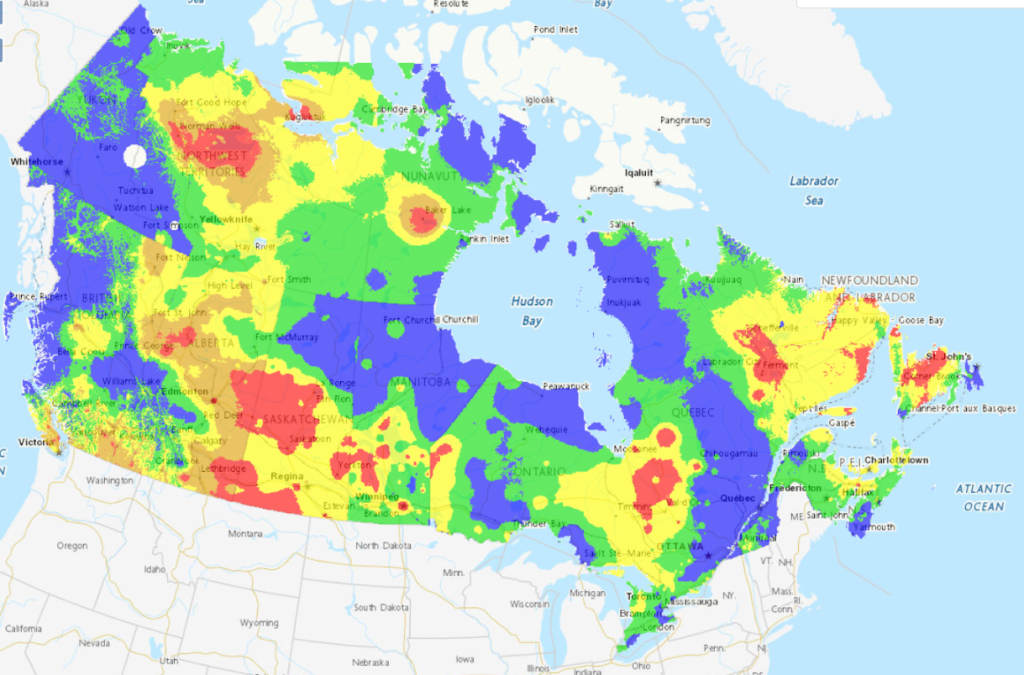
Westerly winds will bring smoke from forest fires over northern Ontario to the area, causing the air quality to deteriorate.
When
The poor air quality will persist through Monday and possibly into Monday night before improving.
As smoke levels increase, health risks increase. Limit time outdoors. Consider reducing or rescheduling outdoor sports, activities and events.
You may experience mild and common symptoms such as eye, nose and throat irritation, headaches or a mild cough. More serious but less common symptoms include wheezing, chest pains or severe cough. If you think you are having a medical emergency, seek immediate medical assistance.
People more likely to be impacted by outdoor air pollution, including people aged 65 and older, pregnant people, infants and young children, people with an existing illness or chronic health condition, and people who work outdoors, should reduce or reschedule strenuous activities outdoors and seek medical attention if experiencing symptoms.
Visit http://www.airhealth.ca for information on how to reduce your health risk and your personal contribution to pollution levels, as well as for current and forecast AQHI values.
Please continue to monitor alerts and forecasts issued by Environment Canada.
Recommended Action
When indoors, keep windows and doors closed as much as possible. When there is an extreme heat event occurring with poor air quality, prioritize keeping cool.
Protect your indoor air from wildfire smoke. Actions can include using a clean, good quality air filter in your ventilation system and/or a certified portable air cleaner that can filter fine particles.
If you must spend time outdoors, a well-constructed, well-fitting and properly worn respirator type mask (such as a NIOSH-certified N95 or equivalent respirator) can reduce your exposure to the fine particles in the smoke. Even though exposure may be reduced, there can still be risks to health.
Check in on others who are in your care or live nearby who may be more likely to be impacted by outdoor air pollution.
Always follow guidance from local authorities.
Learn more at https://www.canada.ca/wildfire-smoke.
Don’t miss out on Doppler!
Sign up here to receive our email digest with links to our most recent stories.
Local news in your inbox so you don’t miss anything!
Click here to support local news
0 Comments