
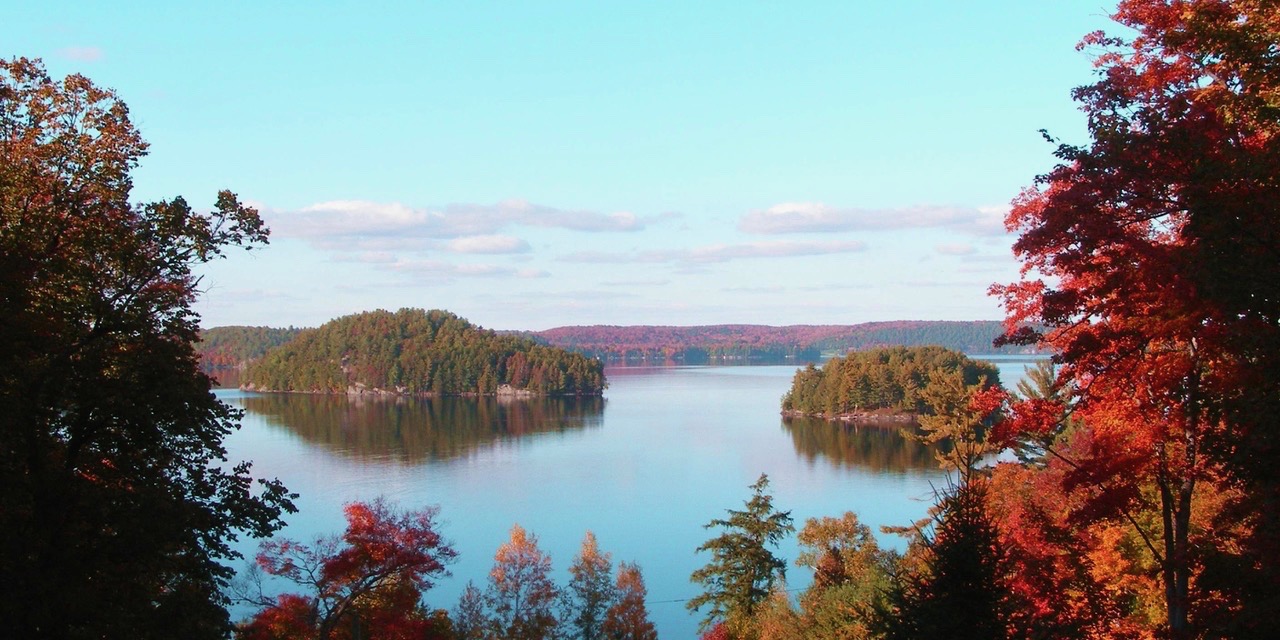
The Mary Lake Association recently asked the Brunel Ward candidates to supply written answers outlining their comments and proposed plan of action on what the Association deemed to be three important environmental issues. The candidates were also asked which issue they think is most important.
The issues are:
The Golden Pheasant, Mountview waste water treatment capacity
Algae blooms
Managing urban and rural development
 Daniel Armour
The Golden Pheasant, Mountview sewage capacity
The District of Muskoka is responsible for this plant and its operation. I have read the articles in the local papers about the spillage but I understand they are in the process of making the necessary repairs to prevent it from happing in the future. The most recent one was due to an electrical issue, some homes were affected but no sewage entered our lake system. The District will ultimately be shifting the treatment of sewage from Mountview to the Golden Peasant Treatment plant. There was $6 million received by the District from Ontario Community Infrastructure and clean water / Waste water fund to be used for the upgrades needed to make the switch. One way to assist and help prevent spillage would be to review the current sup-pumps and eavestroughs that drain in the sewer system; this causes the sewage system to become overload during the torrential rain storms. Climate change is making sewage treatment plants more vulnerable to major failures and overflows due to rising ground water, more intense storms, and increasingly heavy precipitation events.
Algae Blooms
I know Public health agencies across Canada have been working overtime this summer to educate the public about the proliferation of blue-green algae, known as cyanobacteria blooms, which can be toxic and highly resistant to treatment and can result in major health issues. Climate change is a major contributor to the rise of cyanobacteria. Additional research on the subject has found evidence that blooms of all kinds may be a kind of cooling mechanism for the planet. In Ontario, phosphorus tends to be the nutrient that influences the growth of algae. Blue-green algal blooms can be caused by agricultural and storm water runoff as well as leaching from septic systems it’s important that we work with the lake associations and the Muskoka watershed Council to determine and monitor the causes and find ways of preventing it.
Urban Development
People come from all over the world to see our beautiful community and we have a responsibility to protect that for generations to come. Our primary commodity is our beautiful environment. Our lakes and rivers need to be kept safe from being overdeveloped, and erosion of our shore lines need to be monitored with a plan to maintain our treasures. Council has been re-writing the OP and one of the core issues is balanced growth and minimizing the environmental impact. Things like dark sky lighting, noise by-laws and responsible growth. This issue needs to remain a high priority for the current council and the new elect. Working with lake associations and interested residences is a way of managing over development on our lakes and in our urban areas.
 Ken Inglis
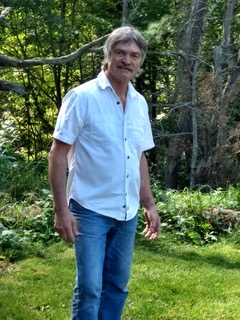
Sewage capacity at Golden Pheasant is a major issue. It goes hand in hand with Urban development. Mary Lake is directly affected, being downstream in the chain. Sewage capacity must be addressed now to ensure our lake water quality is protected. A slower, more calculated approach is needed with development so as not to overload.
Algae blooms are more prevalent recently. More public education is needed to curtail the pollution from lawn and garden pesticides and fertilizers. Road salt and prewet solutions are a major contributor to polluting our soil and water and continues to be abused with over application.
Solutions must be found now, before it becomes too late.
Don’t miss out on Doppler! Sign up for our free newsletter here.
0 Comments